Lt. Kenneth L. Enoch was a U.S. airman-navigator during the Korean War. Captured by the North Korea-China forces, he was one of a number of U.S. airmen to confess to using germ or bacteriological warfare on North Korean or Chinese forces or civilians during the Korean War. His confession was written out in longhand and dated April 7 or 9, 1952 (I'm not sure from the copy I have.) According to this post online, Kenneth Lloyd Enoch died at age 88, on Nov. 6, 2013, in Cypress, Texas.
In July 1952, China Monthly Review published a contemporaneous article on Enoch's confession, and that of a U.S. pilot, John Quinn, "Captured US Airmen Admit Germ Warfare." In the United States, the news was also reported. See this October 23, 1952 Associated Press article, "2 Fliers 'Forced' into Confession." It is interesting to see the word "forced" placed in quotation marks. I do have a facsimile of Quinn's confession as well, and will publish it in the near future.
I've transcribed the copy I have from the full report, with appendices, of The Int'l Scientific Commission Report on Bacterial Warfare during the Korean War. Enoch's confession occupies pages 493-500. I have tried to reliably and truthfully reproduce his written record, including crossed-out material. A drawing Enoch made, and a small portion of the reproduced confession is included in accompanying photos. I have not tried to correct spelling or punctuation, but I have added extra line breaks to delineate paragraphs, and for the sake for online readability. The paragraph breaks themselves follow Enoch. Any editorial comment by me is placed in square brackets.
I am not here going to give my impressions about this confession, or the others given by U.S. POWs during the Korean War. I have written about the famous confessions of U.S. airmen in relation to germ warfare elsewhere. It is enough to say here that while reference is often made by U.S. historians and journalists about the "brainwashing" of these airmen during their Korean War captivity, the actual documentary material related to their confessions is all but unobtainable.
For the sake of history, and the curiosity of the public, I am making here available Lt. Enoch's confession -- truthful or not -- and plan to make others publicly available as I have the time to do so.
Let the reader and historians decide what is true or false, as regards this controversial episode in the history of U.S. wars.
The Truth About How American Imperialism Launched Germ Warfare
I was at Iwakuni, Japan, during the last two weeks of August, 1951. During the month of August the 3rd Bomb Wing was in the process of moving to Kunsan, Korea, and the last thing to make the move was the ground school which moved on to Kunsan in early September, 1951. During my stay at Kunsan Iwakuni there were about 15 crews which had just come from the Unites States and were attending the ground school. This gound school gave the same kind of classroom subjects as the school at 4400 CCTG. We navigators recieved [sic] lectures and problems in navigations and the B-26 and Korea, so we would understand our jobs better and thus be better equipped to fly in combat.
On 25 August 1951, at 1300 hours, we attended a secret lecture in the ground school navigation classroom. There were as I recall, 10 pilots and 15 navigators present at the lecture. Of the pilots I recall Lt. Broughton, Lt. Schmidt, and Capt. Lema. Among the navigators I remember Lt. Brown, Lt. Hardy, Lt. De Gough, Lt. Zielinski, Lt. Garvin [or Sarvin?], Lt. Larson, and myself. I did not know all the pilotis and navigators, only these I had been with at Langley Field. Our instructor's name was Mr. Wilson, a civilian. There were no other instructors in attendance at this lecture.
Mr. Wilson told us that his lecture was concerning bacteriological warfare. He told us that our side had no plans at that time of using bacteriological warfare, but never-the less we might at some time, and thus the lecture was secret information and we were not to divulge its contents to anyone, are or even talk about it among ourselves.
The main part of Mr. Wilson's lecture was devoted to the weapons of bacteriological weapons warfare. He did not have any examples with him, but he discussed the various methods of scattering germs, either by scattering the germs by themselves or by dropping insects and animals to spread the germs. The contents of Mr. Wilson's lecture is as follows:
The ways of dropping the germs by themselves are: 1) by dropping a bomb full of dust and germs mixed together, which will open in the air and spread the germ-laden dust with the wind; 2) by dropping dust directly from the airplane itself, by means of a spraying device, so that there will be germs in the air wherever the dust is sprayed; 3) or by dropping a container full of germ dust, either a bomb which will open in the water or a paperboard box wish will be opened by the water, into reservoirs and lakes where the people and animals use the water, and where insects will pick up the germs and spread them.
The ways of dropping insects are : 1) by dropping a germ bomb which looks just like an ordinary bomb, but is filled with germ-laden insects, and which will open on contact with the ground to release those insects; 2 by dropping insects in paperboard containers which will break open on contact with the ground, releasing the insects with their germs; 3) or by spreading insects with animals.
The ways of releasing germs by animals are: 1) To release the rats or rabitts rabbits or small game by a parachute container which will release the animals upon contact with the ground, and these anaimals are covered with germ-bearing lice and fleas; 2) or by releasing such animals from a boat behind the enemy shore line.
There are other ways of spreading germs also: 1) By dropping leaflets toilet paper, envelopes, and paper materials which have been covered with germs, 2) by dropping germ-filled soap or clothing; 3) by dropping fountain pens filled with germ-laden ink; 3) or by dropping infected food to the enemy troops.
You can also spread germs by howitzer or mortar shells, but since it is so close to the front it is not safe to do so.
There are many types of germs that can be spread. In addition to may weird and unusual germs, the germs of more well-known diseases, such as typhus, typhoid, cholera, dysentery, bubonic plague, smallpox, malaria, and yellow fever, may be employed. There are many types of insects to carry those germs, the most popular being the louse, flea, fly, and mosquito. The louse can carry typhus, cholera, smallpox, plague, and dysentery, as can the flea and the fly. The mosquito can carry malaria, and yellow fever.
The best way to defend against germ warfare is to be prepared. All possible people should be inoculated against all diseases possible. If insects are dropped, it is advisable to pour kerosene or oil on the containers they are dropped in and set fire to them. If they have already escaped from the containers, it is best to spray DDT over the area, preferable from an airplane. In case germ-laden dust is employed, DDT spray must be used. All exposed food must be disposed of. All exposed clothing and articles must be washed with hot water and strong soap. All water must be boiled. All food eaten must be thoroughly cooked. You must use some protection over your nose and moth to breathe, and you must, when everything else is done, change clothes and take a good bath. All trash and waste exposed to germs must be burned. Screens should be placed on all windows in the summer for insect protection. In all cases, small animals such as rats, should be destroyed so the danger of plague, which they spread with their fleas, will be lessened. If paper objects or other such items are dropped, they should be burned at once.
All weapons of bacteriological warfare are of such a nature that they should, when employed, be dropped from as low an altitude and [illegible word] on an airspeed as possible, to avoid harm to the insects If parachute-type weapons are used any altitude will suffice but it should be sufficiently low, say 1000 feet, so that the parachute will not drift from the target area
When Mr. Wilson had finished his lecture it was 3 o'clock (1500 hours) and he reminded us not to discuss the weapons subject to anyone and took his leave. This was the only such lecture we ever received. On September 1st, 1951, I went to Kunsan.
In October, 1951, and again in December, 1951, a one-hour lecture was given at Kunsan by a Major [two illegible letters]onning [could be "Fronning"] on protection against germ warfare. This lecture he have many times on each occasion, and every person was required to attend one hours lecture. He gave the same lecture in December as in October. The idea, of course, is that due to the rotation plan there are always new troops, and it is also good to keep in mind the contents of his lecture. He told us that it was not unreasonable to expect bacteriological warfare to used against us by the enemy. If they did, germ dust or germ-[illegible crossed out word]laden insectes would be used, and he stressed that we should keep our shot records, or inoculations, current and up-to-date, and also discoursed on the other pertinent data as I have discussed in the second paragraph on page 3 of this paper. [Lt. Enoch is referring to the paragraph above that begins "The best way to defend against germ warfare..."]
On the 1st of January, 1952, we were told by the operations section group briefing officer at our regular briefing to be sure and report all our duds and where they fell. This was a usual procedure and just seemed to be a casual reminder at this time. The reminder was given to all the crews it [?] the briefing by Capt. Farey, one group briefing officir [sic], Dr. [illegible] a head cold I did not [three illegible words] night, but was replaced by another navigator.
My next scheduled flight was on the night of 6 January, 1952. We were scheduled to fly on Green 8 route (between Pyongyang and Sarinon [?]), and our take-off was scheduled for 0300. The crew was Capt. Amos, pilot, myself, navigator, and Sgt. Tracy, gunner. As ususal Capt. Amos and I reported to the group briefing room and group operations office at 0200 an hour before take-off. There we always checked for the latest weather and information on the mission to be flown. On this night we were informed by the officer on duty, a captain I am not familiar with, that we were to fly to the town of Hwangjn and drop our outboard wing bombs(of which there were two) and then to drop the rest of our load as quickly as possible and come directly back to Kunsan. He told us to drop at Hwangjn at 500 feet of altitude and 200 miles per hour maximum airspeed. We called his attention to the low altitude, as were to carry 10 - 500 pound bombs according to briefing, but he told us that this was top secret and these were germ bombs, and to tell no one whatsoever about our mission. He told us that the wing bombs were already loaded and checked for us, and not to bother them, and when we returned to report them as "duds". We went over to squadron operations and met our gunner, who did not report to group, and , as far as I know, did not know of our special mission. Wehn we got out to the plane a guard was standing there from armament section. He told us the wing bombs were already checked, which we already knew. I checked the bombs in the bomb bay, 6 of them, and they were 6 regular 500-pound bombs. We took off at 0300 and flew to Hwangjn dropping our two germ bombs just outside the west edge of town. There were no explosions or any unusual things to be seen. Then we continued for two minutes to the north and dropped our eight live bombs on the highway 5 miles north of Hwangjn, and went directly back to Kunsan. We took off at 0300, our bombs were dropped at 0400, and we landed at Kunsan at 0500. This was the first time I ever heard of anyone dropping germ bombs, and we kept it a secret. These germ bombs looked exactly like a regular 500-pound bomb to me. In the day time they may have some distinguishing characteristics, but it was dark when I saw them. I did not load these bombs or see them loaded but there was no special equipment on the wings, so they are loaded in the same way as ordinary bombs.
When we reported to group intelligence for debriefing after this mission we reported two bombs [inserted] (as a matter of fact, 150 pounds)[close insertion - see drawing of bomb below, which indicated weight as 150 pounds] 500 pounds dropped at Hwangjn and reported them as "duds", and reported where we dropped our eight good bombs. The bombs are evidently reported as "duds" to keep too many people from knowing the purpose of the mission, but higher headquarters can check the reports and know where the germs were dropped.
On the 10th of January, whether by accident or design I do not know, I was again scheduled for the same mission with Amos and Tracy. This time Amos and I reported to group operations, and we were told that all 4 of our wing bombs were to be germ bombs. This time our target was to be the town of Chunghwa, on Green 8, and we were then to get rid of the rest of our bombs as quickly as possible and return to base. We were still to keep our operation a secret and report our germ bombs as "duds". Our maximum airspeed was to be 200 miles per hour and our altitude 500 feet for the germ bombs. Once again armament was to have the wing bombs checked for us. We picked up Tracy at squadron operations and went out to the plane. Once again the wing bombs looked like regular bombs. An armament man told me that we were not to bother the wing bombs, as they were all set to go.
I checked the regular bombs in the bomb bay. At 0300 we took off and flew directly to Chunghwa, dropping our 4 germ bombs at 0410 hours, at an altitude of 50 - feet and an airspeed of 190 miles per hour, on the western edge of Chunghwa. We proceeded south and dropped our regular bombs on the highway north of Hwangjn and returned to Kunsan base, landing at 0515.
When we reported for debriefing we reported where we had dropped our 6 good bombs, and reported 4 "duds" at Chunghwa for the same reason as before, for secrecy.
DRAWING OF GERM BOMB
Above is a drawing of the type of germ bombs which we used.
As I see it, the germ bombs come from a medical supply source, such as the same type which manufactures the vaccine used to combat disease, and I believe this source is in Japan, either on Honshua or Kyushu Island.
If the type of germ bomb which we dropped is used, it will open on contact with the ground, exposing the germs and insects to the open air. If it is cold outside, the insects will be dormant and sluggish, but the sun will cause them, by its heat to become active.
The leaflets are dropped in North Korea by B-29s. These leaflets are dropped in boxes which open in the air scattering the leaflets over a wide area These leaflets can be used in bacteriological warfare.
When the germ bombs are dropped, they are released by the pilot. The navigator takes notes on when and where they are dropped, and how many germ bombs. The bombs are released by pushing a button, which releases the bombs by electricity.
After the mission when the crew reports to group intelligence for debriefing, the whole crew attends the debriefing, and the report is given by the pilot and navigator. It is an informal report, and the whole crew sits around a table and give [sic] their report to an enlisted man from the intelligence section, who takes the report and puts it on paper, which he turns in to his superior. This is why the germ bombs are reported as "duds", to keep unauthorized personnel in intelligence and on the crew from knowing the secret of the mission.
To the best of my knowledge, B-26 aircraft are the only ones dropping the regular germ bomb, which looks like a regular bomb. However, the B-26 is unsuitable for dropping the other types of weapons. The leaflets are dropped by B-29's and cargo type, C-47 and C-46 aircraft, but mainly by B-29's. The cargo type aircraft are the best suited for dropping all other types of germ weapons, such as cardboard boxes, parachute containers, and articles of clothing, food, soap, and paper and fountain pens, but the B-29 can be used for these weapons also.
As to when we first started to use germ bombs, it was about the first of the year, around January 1952, I should say, since that is when we were all reminded to look for "dud" bombs. It is probable that other outfits, such as the 452nd Wing, started to use germ warfare at the same time.
The decision to use germ bombs, of course, is top secret, but due to the serious nature of this decision it undoubtedly rests with a very high command, probably the Far East headquarters in Tokyo.
While it is generally believed the Obama administration outlawed torture by executive order in January 2009, the ban was not total. The use of techniques of psychological torture still remains.
According to the UN committee that reports on country compliance with the UN treaty, the Convention Against Torture, the U.S. Army Field Manual (AFM) on interrogation uses techniques that constitute “ill-treatment” and raise concerns about the use of torture.
The AFM describes 19 interrogation procedures used by the military and the CIA. The U.S. is a signatory to the UN treaty against torture, although it ratified the treaty with certain “reservations” that many feel weaken compliance.
Because human rights groups and some journalists had pointed out from the beginning the presence of abusive interrogation techniques in the current Army Field Manual, whose latest incarnation dates to September 2006, the Department of Defense (DoD) felt compelled to answer such charges.
As a result of a FOIA filed by this author via MuckRock, the Office of the Secretary of Defense (OSD) has released a set of “talking points” DoD used to explain the Army Field Manual interrogation technique called “Separation” in the context of Geneva Convention prohibitions against the use of torture, and cruel, humiliating and degrading treatment of prisoners.
The release of the talking points, which are undated, and two other associated 2007 DoD memos, was in response to a FOIA request for “all materials involved in the review of ‘activities’ surrounding the use of Army Field Manual 2-22.3's (AFM) restricted "Separation" technique, as described in the AFM's Appendix M.”
Documents Withheld
Unfortunately, OSD did not actually release any requested documents related to a review of Appendix M’s Separation technique. It seems likely that documents related to any such review were part of “approximately 67 pages” withheld as “classified national security information,” as explained in a March 17 letter from Leslie Carr, the Chief of the Department of Defense’s Office of Freedom of Information.
On March 11, 2016, Associated Press published an article that highlighted the problems generated by the Pentagon’s use of Appendix M, a problem that, as noted above, has been described by human rights groups and other commenters, but which until recently has not generally been discussed in the mainstream media’s coverage of the torture issue.
As the AP story noted, in November 2014, the UN Committee on Torture, which polices the UN treaty against torture to which the U.S. and most other nations are signatories, stated that the Appendix M reliance on sleep deprivation constituted a form of “ill-treatment.” Furthermore, the use of goggles and blindfolds or earmuffs as a form of sensory deprivation could cause psychotic reactions, thereby “raising concerns of torture and ill-treatment.”
The use of torture and ill-treatment goes against the restrictions of Common Article 3 of the Geneva Conventions. Transgressions against Common Article 3 are relevant in this context because the U.S. has reserved the use of Appendix M’s “Separation” technique – which also includes the use of solitary confinement for periods of up to 30 days, or longer if approved by a relevant DoD official – for use on “unlawful enemy combatants.” “Separation” cannot be used on enemy prisoners of war, who have more robust Geneva treaty protections (as the DoD Talking Points make clear) against threats, insults, or exposure to "any unpleasant or disadvantageous treatment of any kind."
“No suggestion of torture”
The “talking points” begin with a discussion of how Appendix M’s Separation technique supposedly “meets Common Article 3 Standards.”
According to the document, there can be “[n]o suggestion of ‘torture’” in using Appendix M “unless prolonged isolation or sensory deprivation, and severe mental suffering [is] involved." Moreover, per DoD, Appendix M does not constitute “cruel, inhumane, or degrading” treatment, which is also disallowed by UN treaty, "as it is a technique used extensively in US prisons and does not 'shock the conscience',” and moreover has been the subject of “numerous legal reviews.”
In their talking points, DoD tries to pretend that its “Separation” technique only consists of segregation or solitary confinement for the purposes of interrogation, and never refers to the aspects of Appendix M that allow for restricting sleep to a maximum of 4 hours per day for 30 days or longer, or using a form of sensory deprivation that can cause psychosis. This is the meaning of their argument that the technique is “used extensively in US prisons,” as solitary confinement unfortunately remains under widespread use inside the United States.
Yet the use of isolation in US prisons is currently under heavy criticism for the terrible psychiatric and emotional damage it causes prisoners. In February 2014, the damage caused by this practice was the subject of congressional hearings.
One legal review of Appendix M – and the only such legal review that has apparently ever been released publicly – was undertaken by Stephen Bradbury, the author of the 2005 torture memos used by the Bush administration to justify the use of waterboarding and other techniques of the CIA’s “enhanced interrogation” torture program.
The Bradbury Memo
Bradbury’s memo-review “for the files,” undertaken when he was Acting Assistant Attorney General, was dated September 13, 2006. His approval of Appendix M was never withdrawn by the Obama administration. Most commentators have ignored the fact that Obama’s January 2009 executive order, “Ensuring Lawful Interrogations,” indicated that the Bush-era memos on interrogation and torture would be withdrawn only after review by the Attorney General, and not in a blanket fashion.
So thanks to the executive order loophole, the Bradbury memo on Appendix M was never rescinded. In his memo, Bradbury made a point of stating that some of the techniques used in the Army Field Manual wouldn’t pass muster “if they were permitted in interrogation of all DoD detainees, regardless of their combatant status and without regard to the level of intelligence they might possess” [italics in original].
Bradbury also warned that Appendix M techniques would not necessarily be lawful “if used in the criminal justice process as a means of obtaining information about ordinary crimes.” Certainly something was very different about these interrogation techniques.
It appears the Bradbury review of the 2006 rewrite of the Army Field Manual on interrogation, and its Appendix M, was seriously deficient. The Department of Justice Office of Legal Counsel attorney Bradbury minimized the use of isolation, and never even mentioned the use of sleep and sensory deprivation. But he did understand that the techniques under consideration would not pass muster in relation to the Geneva Conventions covering Prisoners of War.
“Not an authorized interrogation technique” for POWs
The second part of the “talking points” takes up Bradbury’s caveat, announcing “Separation may not be used on EPWs [Enemy Prisoners of War]” due to a number of Geneva regulations, including Articles 17, 21, and 22.
According to these protections, POWs cannot be “threatened, insulted or exposed to any unpleasant or disadvantageous treatment of any kind.” They cannot be held in “close confinement” to a cell or single room. Nor can they be separated from other prisoners from the same forces. Under the Army Field Manual’s provisions, a subset of prisoners has been removed from such protections: the “detainees” captured in the “war on terror.”
The policy of removing prisoners from the military actions against Al Qaeda and the Taliban from the protections of the Geneva Conventions pertaining to POW protections was hammered out in a series of memos by Bush Administration figures beginning in January 2002. This policy of the Bush administration has been followed by the Obama administration as well.
DoD has been careful to keep those protected from Geneva-defined abuse from those who they say are not. In a separate document in the same FOIA release as the “talking points,” a September 2007 memo from then Under Secretary of Defense for Intelligence, James Clapper, Jr., to the DoD General Counsel and the directors of a number of DoD intelligence components, Clapper explained that, first of all, “Separation” is not the same as the administrative segregation of prisoners for security purposes.
According to Clapper, it is an interrogation technique, but it “is not an authorized interrogation technique for lawful enemy combatants,” i.e., for prisoners of war covered by Geneva. “In all cases, a status determination that a detainee is an unlawful enemy combatant must occur prior to employing the separation interrogation technique.”
It follows that when the protections of the Geneva Conventions for prisoners are removed, questions of maltreatment and torture arise. Prisoners held at Guantanamo and elsewhere have said torture took place. To date, there is no specific testimony of solely having been abused under Appendix M and the sole use of the Army Field Manual. Partly, the public has been kept in the dark due to the classification of almost everything having to do with the treatment of detainees. However, there is ample evidence of abuse by use of isolation and sleep deprivation and other techniques used in the AFM.
Prolonging the “Shock of Capture”
The potential for serious harm by use of Appendix M techniques is something brought up in the Army Field Manual itself more than once. “Separation” interrogations require the “presence of qualified medical personnel for emergencies.” Detainees must be “checked periodically in accordance with command health care directives” [p. M-6].
Each use of “Separation” requires a “legal review.” The manual suggests that during “Separation” interrogations, a Behavioral Science Consultant be available for “custody and control oversight” [M-4].
When using “Field Expedient Separation,” which the UN found could produce psychosis, raising thereby concerns of torture, the AFM states such interrogation “must be monitored to detect any possible health concerns” [p. M-9].
The DoD “talking points” conclude with the assurance that the use of the “Separation” technique (really a combination of various techniques under one name) is “an essential tool for interrogation, particularly in the first few weeks of internment.” The reason for this is the prolongation of the “shock of capture,” a point made in the Army Field Manual itself [p. M-8].
The release of the DoD “talking points” on Appendix M demonstrates that the Defense Department was sensitive to charges of torture. But the arguments DoD gathered were specious, and misrepresented the full use of the techniques involved.
The U.S. government claims that its interrogation policies are vetted and subject to ongoing review. But evidence of such review is kept hidden from public scrutiny.
While I welcome the release of the Pentagon’s “talking points” on Appendix M, the government must go further and release all the relevant documentation related to DoD review of what UN experts called “ill-treatment” and possible torture. Indeed, as an examination of relevant government documents show, current interrogation techniques raise enough threat of harm to detainees, even after the banning of the CIA’s “enhanced interrogation techniques,” that they require continual medical monitoring.
We still await a full accounting of U.S. interrogation practices and their effects on prisoners held in the U.S. “war on terror.”
An Appeal is Filed
On May 11, I appealed the decision to withhold the bulk of the relevant material to this FOIA. In a letter sent to the Director for Oversight and Compliance in the Office of the Secretary of Defense (OSD), I wrote:
Three documents were released to me in entirety, but these documents, while appreciated, were not particularly germane to my original FOIA request. That request, dated February 9, 2014 to the Office of the Secretary of Defense FOIA office, asked “for all materials involved in the review of ‘activities’ surrounding the use of Army Field Manual 2-22.3's (AFM) restricted 'Separation' technique, as described in the AFM's Appendix M"....
I believe the information withheld by Mr. Higgins – some 67 pages in all – pertains to the review materials I had requested. I ask by way of this appeal that those pages be released, and the original response from OSD be deemed non-responsive, in part. The denial authority did not describe in what way these withheld materials would harm or violate classification of national security information. Indeed, I, and the public who might follow these proceedings, do not even know what the withheld materials are. This is germane as one reason for the FOIA request was to see if in fact “activities” surrounding use of Appendix M’s “Separation” technique have or are indeed being reviewed “periodically in accordance with” the appropriate DoD directive.
OSD has since responded that while they have received my appeal, the amount of work in their office is such that they cannot respond in a timely fashion.
"Due to an extremely heavy FOIA workload, we are unable to complete your appeal within the statutory time requirement," wrote Danaeka Spear, Chief of the Appellate Office on May 24, 2016. "In fairness to the general public, we make every effort to treat all requesters equally. Accordingly, responses are made on a first-in, first-out, easy-hard basis, and controlled in response queues. When the appellate review of your case is complete, you will be notified by the appellate authority, the Director of Oversight and Compliance, Office of the Secretary of Defense, of the final decision."
Transparency in government is not a priority of the current administration, no matter what the President has said about this in the past. It's hard to believe it will be much of a priority for the foreseeable future. Hence the need for journalists and interested citizens to keep fighting to get out the information that educates the public about the actual actions of their government.
The Obama administration, via its Department of Defense, had war criminal Henry Kissinger over at the Pentagon yesterday. The reason? To award Kissinger its highest honor, the award for Distinguished Public Service.
If you measure “public service” as being responsible for more deaths than any other living American in the effort to spread the influence of American empire over the globe, Kissinger was surely deserving.
It is not news that Kissinger has been embraced by this White House. The Obama administration use of this criminal has been open since the first days of the Obama presidency. The Kissinger issue, if I may call it that, surfaced again during the Clinton-Sanders debates, when Sanders decried Clinton’s reliance on the advice and counseling of Kissinger. For her part, Clinton lionized the former Nixon Secretary of State and National Security Adviser. (See the full transcript here.)
Sanders made it clear, that given Kissinger’s record, he would never rely on him for anything having to do with a Sanders administration. Indeed, it’s clear that Kissinger should be in jail. Sanders erred only in not saying it would prosecute him for war crimes.
The fact is, support for Kissinger is right at the dividing line between those who support and those who oppose an aggressive, militaristic foreign policy. In his reward speech, speaking of his so-called accomplishments , Kissinger said, “the fact is we were engaged in good causes" during his tenure in the Nixon and Ford White Houses.
For Kissinger, the Vietnam War, with its massive use of napalm, Agent Orange, its secret bombing campaigns, and use of torture and assassination, was a “good cause.” When the Obama administration, and former Secretary of State Hillary Clinton, embrace Kissinger, both his legacy and the man, they are embracing the greatest set of war crimes in living memory by the United States, a war that killed millions, and also destroyed the lives of tens of thousands of Americans.
Secretary of Defense Ash Carter, who gave the award personally to Kissinger, was named by Politico recently as a top candidate for the Secretary of Defense position under a Hillary Clinton administration, not least because of his hawkish views.
While Kissinger deserves real credit for some of America's most important Cold War victories, including Nixon's diplomatic opening to China, he is also responsible for some of its worst atrocities. Carpet-bombing Cambodia, supporting Pakistan's genocide in Bangladesh, greenlighting the Argentinian dictatorship's murderous crackdown on dissidents — all of those were Kissinger initiatives, all pushed in the name of pursuing American national interests and fighting communism.
While the Obama administration might want to pretend that only the first half of his résumé exists, that doesn't change reality. The secretary of defense is handing an award to a man whose actions belie the values Obama administration claims to stand for.
It’s exhausting trying to keep track of what is now a quarterly celebration of the 92-year-old Kissinger. It was just six or so months ago when The New York Times Book Reviewassigned Kissinger’s preferred authorized biographer to review a Kissinger biography written by Kissinger’s second-choice biographer. A “masterpiece”! the first said of the second. And then, three months ago, Hillary Clinton, in a debate with Bernie Sanders, cited Kissinger’s recommendation as a referral for the White House.
At the time, Clinton’s remarks seemed a misstep, allowing Sanders an opening to criticize her catastrophic interventionism in Iraq, Syria, and Libya. Now, though, it is clear that Clinton’s invocation of Kissinger wasn’t a fluke but rather a preview of a general election strategy to run to Trump’s right on foreign policy and win over the hawkish wing of the Republican Party.
Now some of you reading this may not realize how horrific Kissinger really is. But since he has become a campaign issue, and for some people — like myself — is a serious consideration not to support the presumptive candidate for the Democratic Party, you will need to educate yourself about who Kissinger is and what he’s done. Among his crimes are the mass bombing of civilian populations, support for assassinations and torture, wiretapping of journalists, support for invasions and military repression in numerous countries. He was notoriously involved in helping secure a military coup against the democratically elected government of Salvadore Allende in Chile.
Anyone can Google the information these days, but I particularly recommend reading the reproduction of Chapter One of the late Christopher Hitchens’ book, The Case Against Henry Kissingerat this link. Here’s a small section:
Declassified documents show that Kissinger- who had previously neither known nor cared about Chile, describing it offhandedly as "a dagger pointed at the heart of Antarctica"-took seriously this chance to impress his boss. A group was set up in Langley, Virginia, with the express purpose of running a "two track" policy for Chile, one the ostensible diplomatic one and the other -- unknown to the State Department or the U.S. ambassador to Chile, Edward Korry -- a strategy of destabilization, kidnapping, and assassination designed to provoke a military coup….
The short-term obstacle lay in the person of one man: General Rene Schneider. As chief of the Chilean Army, he was adamantly opposed to any military meddling in the electoral process. Accordingly, it was decided at a meeting on September 18, 1970, that General Schneider had to go….
On September 15, 1970, Kissinger was told of an extremist right-wing officer named General Roberto Viaux, who had ties to Patria y Libertad and who was willing to accept the secret American commission to remove General Schneider from the chessboard. The term "kidnap" was still being employed at this point and is often employed still. Kissinger's "track two" group, however, authorized the supply of machine guns as well as tear-gas grenades to Viaux's associates and never seem to have asked what they would do with the general once they had kidnapped him.
On October 22, 1970, after one failed attempt, Kissinger’s Chilean surrogates succeeded in machine gunning Schneider. It was a prelude to the coup that was to come.
The Obama administration is to be condemned for honoring this mass murderer. The supporters of Hillary Clinton have to answer for why they are supporting a candidate whose foreign policy mentor is someone who lauds the Vietnam War as a “good cause.”
Once upon a time, a site such as Daily Kos, which claimed to be for progressive causes, would not have let something like this pass unnoticed or uncommented upon. But with the rush to support a hawkish candidate for president in Hillary Clinton, the past crimes of U.S. foreign policy are being flushed down the memory hole. An earlier diary on this by pablito got ignored or disparaged by various readers.
With the demise of Al Jazeera America's online presence, I'm concerned an important article I wrote after the release of the Executive Summary of the Senate Select Committee's report on the CIA torture and rendition program may someday disappear from the Internet. It's not true that everything on the Internet is there forever.
This article uniquely examined aspects of the CIA's "enhanced interrogation" torture program that were ignored by the rest of the press, including progressive press - namely, links to past actions by the CIA and its personnel. This article shows that the CIA's "EIT" program was no aberration. The program has links to past activities by CIA, and in particular use of so-called "mind control" techniques explored in its MK-ULTRA and similar program, and its implementation in a set of interrogation-cum-torture manuals released from the 1960s-1980s. Even, as this article makes clear, some of the personnel involved are even the same.
The CIA's various programs in interrogation, torture, mind control, and the manipulation of human behavior all involved top universities and researchers, and cost millions of dollars. Today, apologists for the CIA would like nothing more than to relegate its existence to the nether-land of "conspiracy theory." But its existence was only too real, as we were recently reminded when I republished a memoir from a top U.S. psychologist, now professor emeritus at New York University, who was swept up unwittingly into its workings.
Al Jazeera America was uniquely interested in exploring such material. Its place on the media scene will be sorely missed.
Torture methods employed by the CIA under the guise of its “enhanced interrogation techniques” program can be traced back — through personnel and decades of research — to human experiments designed to induce the subjugation of prisoners through use of isolation, sleep and sensory deprivation, psychoactive drugs and other means, according to details contained in the Senate Select Committee on Intelligence report, a summary of which was released last week.
While many have focused on the brutal physical distress inflicted on detainees — beatings, extreme cold and heat, painful rectal force-feedings, waterboarding, and more — a close reading of the 500-page summary also suggests other disturbing aspects of the CIA’s means of breaking down prisoners.
The CIA chief of interrogations under the Bush administration, whose name was redacted in the Senate report, previously used a discredited training manual, Human Resource Exploitation (HRE), which was identified as using torture on political opponents of 1980s Latin America regimes — he was even admonished by the agency over the matter. That handbook, according to the Senate Select Intelligence Committee report, drew “significant portions” from an even earlier 1960s CIA interrogation handbook that advocated rapport-style interrogations and, when CIA found it was needed, the torture of suspects. Both manuals were heavily influenced by the work of the CIA’s MKULTRA program.
And MKULTRA is the stuff of nightmares — a multimillion-dollar program that endorsed the use of LSD, hypnotism, sensory deprivation, and sleep deprivation, among other physiological, psychological and behavioral techniques. The goal was to gain total psychological control over people and, in particular, prisoners held by the CIA or military intelligence agencies in the 1950s and ‘60s.
Any suggestion of the drugging of prisoners in the post-9/11 era could be explosive. The application of “mind-altering substances or other procedures calculated to disrupt profoundly the senses or the personality” is a serious violation of federal law, with convictions bringing sentences up to 20 years in prison.
Still, details and language in the SSIC report could be seen to be pointing in that direction.
Allegations of the use of pharmacological agents against detainees exist in the summary. Authors of the SSCI report cite repeated statements by “high-value” prisoner Abd al-Rahim al-Nashiri that his CIA captors drugged him. The report does not comment further on this issue, though at least one other prisoner is described as being “sedated” at one point.
The interrogators tasked with working al-Nashiri over would have been operating under instructions given to them in “approximately 65 hours” of training in a course called “High Value Target Interrogation and Exploitation,” according to the SSCI report.
The course taught a program that CIA psychologists had developed through the adoption of techniques from the military’s Survival, Evasion, Resistance, and Escape (SERE) handbook, meant to help U.S. servicemen withstand torture if captured by a government that did not abide by the rules of the Geneva Convention.
The chief architects of these enhanced interrogation techniques (EITs) were James Mitchell and John “Bruce” Jessen — two former Air Force psychologists who left SERE to work for the CIA.
Their roles have been well documented. But until the release of the Senate’s report, there had been no indication that the CIA already employed Mitchell at the time he was hired to work on “war on terror” interrogations.
According to new information in the summary, when Mitchell joined up with CIA black site interrogators in Thailand in April 2002, he had already been working as a contractor for a division within the agency that has a long and storied — some would say, infamous — history, the Office of Technical Services (OTS).
The role of the OTS in the origin of the current torture scandal has not been highlighted until now. But it is not the first time the office and its predecessors have been involved with torture.
The OTS has gone by other names in its history, including Technical Services Staff (TSS), and Technical Services Division (TSD). Its purpose was to create the technologies used by the covert operations wing of the CIA, including spy satellites, secret writing ink, audio and optical surveillance, concealment devices, and novel methods of assassination.
According to one declassified CIA document, OTS receives its orders "through higher echelons (Office of the Director or Deputy Director for Operations).”
And it was through OTS’s predecessors — both TSS and TSD — that MKULTRA operated.
With well over 100 subprograms, MKULTRA cost millions of dollars in its over two decades of operation, ending in the early 1970s. It researched the possible use of many different kinds of drugs, including hallucinogens like LSD.
Its controversial techniques were the subject of more than one Congressional investigation (see this example [PDF] of one such investigation).
The lessons from the MKULTRA program were incorporated into a manual in the early 1960s. The handbook, known by its CIA acronym KUBARK, includes descriptions of drugging of prisoners — a process it called “narcosis.” A number of the KUBARK techniques migrated to the later, 1980s HRE manual.
Links to earlier torture
The link from MKULTRA to KUBARK to HRE to the post-9/11 EIT torture program was not just ideational, but organizational, even involving personnel from earlier torture programs.
According to the Senate report, the person chosen in late 2002 to be the “CIA's chief of interrogations in the CIA's Renditions Group, the officer in charge of CIA interrogations" had been elevated to the post despite having earlier been accused of “inappropriate use” of HRE techniques.
Mitchell and Jessen — who are widely acknowledged to be the men referred to in the SSCI report as SWIGERT and DUNBAR, psychologists whose contracting company was paid $81 million by the government — were “commissioned” by OTS in late December 2001 or early January 2002 to write a study of Al Qaeda techniques for resistance to interrogation.
By April 1, 2002, according to the Senate report, OTS cabled a new “proposed interrogation strategy” to the CIA interrogation group at the black site holding Zubaydah in Thailand. The new strategy was “coordinated” with Mitchell, and included manipulation of the environment “intended to cause psychological disorientation” for the prisoner.
According to the OTS cable, the plan was meant to instill in a prisoner "the deliberate establishment of psychological dependence upon the interrogator," and "an increased sense of learned helplessness." The emphasis on “psychological dependence” mirrors the language of the KUBARK manual, and the theories behind control of human behavior that were explored in the MKULTRA program.
Human experimentation
Later questions about assessing the “effectiveness” of the new “enhanced interrogation techniques” introduced by Mitchell and OTS raised fears within CIA’s Office of Medical Services that studying the EITs would violate federal policy on human experimentation.
Addressing such concerns, the CIA’s Inspector General said a review of the EIT program would not need “additional, guinea pig research on human beings” — “additional” implying that such experimentation may have already taken place.
But he added that there were “subtleties to this matter,” noting the need to study variables in how the techniques were affecting prisoners, including individual differences, and how prisoners reacted over different time periods, intensities of administration, and to different combinations of techniques.
By this time, OTS and its Operational Assessment Division had vetted the supposed safety of the program and reported to Justice Department attorneys, who were themselves trying hard to find a reason to allow the torture.
The Senate report also cited conflicts of interest where both Mitchell and Jessen administered the brutal interrogations, evaluated their supposed effectiveness, and also determined whether a detainee was resilient or healthy enough to continue applying the EIT.
The new evidence about the role of the OTS in the implementation of the CIA torture program demonstrates the conflict of interest was not limited to Mitchell and Jessen, but included other CIA personnel and divisions. It also suggests that the EIT was not a sole aberration by two psychologists looking to make money off the “war on terror,” but that the torture program they established was rooted in the CIA’s institutional history.
It also suggests that the full extent of the CIA’s program is still not yet known, but may lie in the approximately 6,000 pages of the report that have not yet been declassified by the Senate committee.
The article below was written as a presentation by Professor Leo Goldberger at a conference, “Medical Science Without Compassion,” held in Cologne, West Germany, September 28-30, 1988. It is reprinted here with special permission of the author. It was first published along with other contributions from the conference in monograph form in 1991.
I am publishing Prof. Goldberger's essay in full. The endnotes, typographical marks, and emphases are all from the original essay. Bracketed material represents editorial insertion. This is a long essay. For readability sake online, I have broken up some of the longer paragraphs. In addition, I have added some subheads, both to make the article easier to read, and to help orient the reader in finding content. I have tried to keep the subhead titles empty of editorial comment.
An actual PDF of the original essay is available at this link, or see embedded document below.
There has been a dearth of historical work done on the actual work of psychologists and other behavioral scientists on the various CIA mind control and interrogation programs. To this day, there is no academic examination of the full extent of the MK-ULTRA and similar CIA programs, even though much of the relevant material was released years ago. The failure of both the academic world, and civil society in general, to deal with the crimes undertaken by the CIA and Pentagon in relation to these types of programs led directly to the use of experimental torture programs by the U.S. government after 9/11.
In particular, it is very rare that a participant scientist would speak out on his participation, witting, or as in Prof. Goldberger's case, unwitting, in the CIA's MK-ULTRA program. I am posting this material here as a public service, and with the aim of encouraging others to step forward and contribute what they experienced. At another time, I will attempt a critical review of Prof. Goldberger's work. I am very grateful to him for having the courage to step forward and talk about what he experienced.
For those looking for a view from the other side, so to speak, see my review of Karen Wetmore's book, Surviving Evil – CIA Mind Control Experiments in Vermont, written from the standpoint of an MK-ULTRA experimental subject; or see her guest post written for this blog, "Fifty Years of Secrecy: Investigating CIA Mind Control Experiments in Vermont" (April 2015).
Professor Goldberger wrote to me last year to amplify his feelings about his contributions to CIA research during the Cold War.
"In retrospect, I still find it abhorrent that so many others and I were unwittingly hoodwinked to engage in research at the behest of the CIA and that our findings were often so blatantly extrapolated and used to further unethical aims. Unlike the basic requirement for obtaining “informed consent” (in accord with the Nuremberg Code of medical and research ethics) established back in 1947, we as the research investigators were not given the respect and trust to be fully informed and asked for our consent.
"Those dark years were truly a shameful chapter in American history!"
The CIA-LSD Story in Retrospect
by Leo Goldberger
[Professor Emeritus, Psychology, New York University]
It is not a pretty story, but then the very mention of the CIA conjures up nasty business – concerns far removed from the Ivory Tower of Science. Yet, as we know only too well, the world of science does intermesh with the world of affairs, politics and power, and more often than not these worlds may collide in terms of their implicit and all too frequently unexamined assumptions and value systems. This was obviously the case in the USA when, during the 1950s and 1960s, some major breaches in the conduct of human experimentation occurred.
These breaches were not limited to the administration of LSD and other psychoactive or unproven drugs to unsuspecting persons (soldiers, college students, and psychiatric patients) as guinea pigs, but involved a long list of other macabre interventions, such as radiation, harassment substances, and paramilitary devices and materials. In some experiments, certain drastic forms of sensory deprivation and immobilizing drugs, such as curare and Sernyl, were also used.
In other experiments, sensory deprivation was combined with so-called “psychic driving” techniques, the brainchild of Dr. Ewen Cameron, a prominent psychiatrist of his day, in which psychiatric patients were exposed to the intensive repetition (16 hr. a day for six to seven days or more) of prearranged verbal signals while receiving intensive electric shocks. Rather risky undertakings, based on harebrained, pseudo-scientific ideas and most certainly a clear breach of ethics. The use of various modes of indirect personality assessment procedures and invasive techniques was also highly questionable. Mercifully, some techniques, such as neurosurgery (for the purpose of exploring the pain center), were apparently ruled out as too dangerous.1
The guilty parties, who entered into a Faustian-like pact with the CIA, compromising their scientific credo, belonged to several distinct categories, categories that became less and less distinct with time. There were, first of all, the so-called CIA Technical Staff, scientists among them, which in the case of the behavioral sciences (a term I shall use to include a variety of disciplines in the life sciences as well as the social sciences and mental health fields) was very limited in number.
In fact, the person who quickly rose to become the head of the CIA’s Mind Control unit, Dr. Sidney Gottlieb, a protégé of the CIA Director himself, Richard Helms, was a pharmacologist with a biochemistry doctorate who had served in the Technical Service Division’s chemical wing, working with germs and other unspeakable weaponry. But Dr. Gottlieb soon found a cadre of willing psychologists and psychiatrists as fully committed hired hands or, in some instances, as consultants, on call when the need arose. It was principally this more limited group that crossed the usually untraversed chasm between the CIA’s Technical Division and the Operational Division, the latter being the division whose agents are responsible for field operations, those who actually do the dirty work.2
The second category consisted of a sizable number of scientists, many of whom were, or at least claim to have been, blissfully unaware of their connection to the CIA. (One ought to note, for what it’s worth, that according to the CIA, one-fourth of the American scientists who were approached by the CIA agreed to work for it!)3 They were the recipients of grants from a few private medical research foundations, three or four in all, that served as secret conduits for research funding, by and large of the pure science variety, but research that held immediate or potential interest for the CIA.
Some scientists received grants for work that clearly had little if any CIA relevance; however, their projects and publications, which typically acknowledged the foundation grant, served as a cover. Their names added luster to the CIA front foundation, making the foundation’s work seem legitimate. This was so in the case of Carl Rogers, for example, the well-known founder of client-centered therapy; B.F. Skinner and Hans Eysenck, world renowned psychologists, are other examples.
Other scientists clearly knew whence the funding derived and, indeed, were in direct communication with CIA agents or became regular consultants. A few of them served as pipelines of information for the CIA. They kept the CIA posted on what was happening in the laboratories, journals, and scientific meetings that might be of potential interest. A sort of science spy network, as it were – all very, very secret, as “national security” was presumably at stake as well as the reputation of the CIA-associated scientists.
But I am getting ahead of my story. I ought first to indicate my own interest and role in this sordid business. I shall briefly describe how I fit in, while moving the more relevant story along. I was a graduate student in psychology at McGill University (Montreal, Canada) in 1952, when I was solicited to serve as a subject in an experiment which was to pay $1/hr and which required that I set aside several days. In need of money and with a virtuous impulse to help a fellow graduate student complete his dissertation research, I agreed.
The experiment, as I learned several years later, was the first of many – generically known as sensory deprivation. I was isolated in a small sound-proofed room and requested to lie as motionless as possible, in a supine position, wearing translucent goggles. No activity, no sensory stimulation except for an occasional test procedure over an intercom system to evaluate my mental functions. This went on, in my case, for 24 hours.
As I recall, it was a rather boring experience, broken by sleep and stretches of fantasy-filled reveries, but not an especially dramatic, stressful, or debilitating one. Though I had given my “informed consent,” I was not given much in the way of a satisfactory “debriefing.” I was only given a rather general rationale for the study – certain hypotheses concerning the relationship of the sensory system and cortical functioning were being tested – but certainly not told the whole truth, which as I was to learn later, was the exploration of so-called brainwashing techniques. The study was in fact a piece of contract work for the Canadian Department of Defense and was highly classified.4
The Human Ecology Program
In 1954, still a graduate student but now in New York, I was employed as a research psychologist at Cornell Medical Center – New York Hospital, within a unit named the “Human Ecology Program,” nominally housed in the neurology department and headed by a most eminent professor of neurology, Dr. Harold G. Wolff, known for his pioneering work on headaches, pain, and psychosomatic disorders. (Dr. Wolff had served as editor-in-chief of the AMA’s Archives of Neurology and Psychiatry and, in 1960, became president of the American Neurological Association.)
My assignment was to participate in an interdisciplinary project studying the adaptation of 100 Chinese men and women to life in America. They represented a group of Chinese who had come to the USA on a temporary basis to pursue postgraduate work in a variety of fields. In consequence of the Communist take-over, our government decided to block the return of these men and women, most of whom were thus stranded in the USA without their families and faced with an uncertain future. I and the rest of the staff were investigating this “experiment in nature” – the stress of geographic dislocation and its adaptational consequences – in order to determine the “ecological aspects of disease,” in Dr. Wolff’s original phrasing. My role on the interdisciplinary team was to assess the Chinese by a fairly standard battery of personality and intelligence tests. The anthropologist and the sociologist interviewed them about cultural and kinship issues, while a psychiatrist and a psychoanalyst plied their special types of probing questions. In return for their participation in our project, the Chinese received a complete physical – free of charge – something they very much appreciated. They were also motivated intrinsically by a desire to tell us about China and Chinese culture, in not about their own interrupted lives.
Little did I know then that my work with the Chinese had been designed by others for an entirely different end. Only in 1977, more than twenty years later, upon receiving a call from an investigative reporter who wished to interview me about my involvement with the Human Ecology Program, did I learn the truth. To my shocked surprise, I found out that the program I had been a part of had been totally financed by the CIA. The real aim of the Chinese project – and the reason for its generous funding, I now learned – was to ferret out potential agents for future assignments in China. (Incidentally, the Chinese project was duly replicated, using Hungarian Freedom Fighters of 1956, this time with the surreptitious aim of studying the characteristics of “defectors.”)
Subsequently it was revealed that only Dr. Wolff, and perhaps one or two of his staff and others high up in the university and hospital administration, knew of the behind-the-scenes role of the CIA. It seems that Dr. Wolff was a personal friend of Allan Dulles, then CIA Director. The lure of continuous, large-scale funding, which could be diverted to a variety of other and more traditional research projects under Dr. Wolff’s direction, must have been very attractive to this totally science-absorbed, emotionally detached, and ascetic workaholic. Of course, patriotic sentiment undoubtedly played a significant role given the temper of the times.
In 1955, in response to Wolff’s enthusiastic and grand vision of the “synergistic partnership between science and the CIA,” the Agency enlarged the CIA-funded study program into a research foundation (the money presumably coming from rich private donors and former patients, but actually from the CIA) which became known as the “Society for the Investigation of Human Ecology,” with Wolff as president. Through this CIA-controlled funding mechanism, Wolff extended his and his staff’s efforts on behalf of the Agency, efforts which now went far beyond Cornell. Wolff was expansive in his scientific dream, to say the least. For instance, he wrote the CIA that once he had figured out “how the human mind really worked,” he would tell the Agency “how a man be made to think, feel and behave according to the wishes of other men, and conversely, how a man can avoid being influenced in this manner.”5
In retrospect, there were several peculiar events during my two years with the Human Ecology Program that ought to have aroused my suspicion that things were not what they seemed. The first was an intense interest Dr. Wolff showed in my experience as a subject at McGill, something I had only casually mentioned once. He wanted every detail, and eventually he urged me to duplicate the experimental set-up at the hospital, using the more drastic stimulus reduction technique provided by water immersion. This was a technique developed by John Lilly, whose frontier brain research at NIH was of intense CIA interest, but who apparently had refused their approaches because he found secrecy inimical to the scientific process. Little did I know that Dr. Wolff’s desire to grill me about my sensory deprivation experience was triggered by his preoccupation with brainwashing techniques, of interest to the CIA, for whom he was preparing a comprehensive report.6
The Notion of "Brainwashing"
It was the notion of “brainwashing” that, in Marks’ phrase, helped Americans “pull together a lot of unsettling evidence into one sharp fear” and served as the starting point for the CIA’s involvement with the behavioral sciences.7 In the early 1950s, rumors were flying about various exotic, mysterious techniques (dubbed “brainwashing” in a 1950 Miami News article planted by Edward Hunter, a CIA agent with a journalist cover) supposedly practiced by the Russians, the Chinese, and the Koreans to extract confessions for public show trials. Just conjure up the picture of the bizarre public confession of Cardinal Mindszenty in 1949, who appeared zombie-like, as if drugged. The USA was in the midst of cold-war hysteria and propaganda battles were being fought around the globe. Anti-communism was at its highest pitch, and so was McCarthyism. No wonder the CIA was on the alert, trying to assess what was happening. They were trying to determine exactly how the Russians, Chinese, and Koreans interrogated their prisoners, how they extracted confessions. Were they using drugs, hypnosis, sensory deprivation, subliminal or extrasensory communication, stress techniques or some sort? If so, “our side” had to know for defensive and, ultimately, for offensive purposes.
This laid the seed for the CIA’s Mind Control program which, for Richard Helms, was actually a continuation of his earlier OSS work during WW2, in which drugs such as marijuana, and psychological ploys, had also played a role. In fact, several of the initial staff recruited for this CIA unit were former OSS staff members experienced in the derring-do of clandestine work and its science-fiction-like, imaginative, and sometimes lurid escapades.
The CIA’s Mind Control program, known at various points in the 1950s and 1960s by the cryptonyms BLUEBIRD, ARTICHOKE, MIDNIGHT CLIMAX, MK-ULTRA, MK-DELTA, among several others, eventually funded 185 non-governmental scientists at 86 institutions, some of the most prestigious universities and hospitals in the USA, at about $25 million. Its arena of interest, which began with the search for a truth drug or hypnotic method as an aid in interrogating enemy agents, broadened by leaps and bounds once “brainwashing” had become a focal concern. In a 1953 document, for example, Dr. Gottleib listed subjects he expected one contracting scientist to investigate with the $85,000 the Agency was paying him. Dr. Gottlieb wanted “… operationally pertinent materials along the following lines:
a. Disturbance of memory
b. Discrediting by abhorrent behavior
c. Alteration of sex patterns
d. Eliciting of information
e. Suggestibility
f. Creation of dependence.”
A tall order to say the least.
A second potential clue that the Human Ecology Program was involved in some extraneous business was a meeting I attended in 1955, along with some 30 psychologists and psychiatrists, most of them quite prominent in their field. They were all recipients of some past or current grant money from the Society For Human Ecology for their research. The meeting was called to order by one of the administrators of the society (a psychologist and retired major-general), who alerted us to the confidential nature of the topics to be discussed and said that we were free to leave at any time if the matter held no interest for us.
In my own case, I left fairly early upon hearing the gist of the task at hand: we were asked to help prepare a manual on the interpretation of non-verbal behavior (signs, cues, gestures, etc.) for use by CIA agents in debriefing American visitors to the USSR (who might have met various high-ranking officials about whom valuable intelligence regarding health/illness status, personality, and attitudes could be generated indirectly). I left because I had no stomach for the preoccupation with the East-West conflict nor for clandestine work. But I also thought it was a foolish and unrealistic undertaking: what could we as psychologists validly and usefully deduce about another person by second-hand reports of external behavior? Better ask Gypsy palm readers, hypnotists, car salesmen, or their ilk – they are, I suspect, far better commonsense psychologists, superior “menschenkenner,” than the professionals in the behavior science field.
When in 1977 the New York Times carried a series of headline stories exposing the details of the CIA’s secret Mind Control program, I was not at all surprised to read that the CIA had, indeed, pumped headwaiters, fortune-tellers, prostitutes, hustlers, con artists, psychics, hypnotists, and others for their collective wisdom on how to assess and manipulate people. A magician apparently was also on the CIA payroll for the purpose of teaching agents how to slip LSD surreptitiously into someone’s drink at a party.8
"Unwitting CIA guinea pigs"
Administering LSD without informed consent was among the worst offenses perpetrated by the CIA-connected scientists – psychiatrists and psychologists among them. The CIA’s technical staff (that is, those scientists who worked for the CIA) certainly knew enough from the published LSD research to know that the variables of experimental set and setting play a major role in mediating the effects. They knew it was possible to predict the general effects of a certain dosage level for a given type of person under given laboratory conditions, but what about natural, field conditions? This had never been systematically investigated under prevailing standards of professional ethics. Nevertheless, the CIA scientists went ahead. They felt it was a sufficiently important question in light of national security considerations.
According to some accounts, as many as 50 people, including CIA agents themselves, several foreign agents, soldiers, and people deliberately picked up in bars and brought to a “safe house” by prostitutes, were given LSD or other hallucinogenic drugs without their knowledge, serving as unwitting CIA guinea pigs.9 Though the records of these surreptitious experiments were ordered destroyed by Richard Helms in 1973 – on the eve of the first Senate investigation – we do know that there were at least two suicides as a direct result of the mind distorting drug experience. A lawsuit by the family in connection with one of them is still pending [in 1991] as are at last four other lawsuits by former soldiers.10
One particularly gruesome experimental run was conducted by the research director at the Federal Drug Facility in Lexington, Kentucky, Dr. Harris Isbell. Here inmates were rewarded with either the drug of their choice – usually cocaine or heroin – or early release if they volunteered. He personally administered LSD in increasing dosages to seven men for some 70 days to test tolerance levels! He has never permitted any interviews.11 Incidentally, the pivotal figure in the CIA, Dr. Gottlieb, not only has refused any interviews, but, after the initial press attention and his resignation in 1973, he fled, living abroad for several years. He eventually returned in 1977 to testify in closed chamber before the Senates [sic] Subcommittee on Health and Scientific Research, having been granted immunity from criminal prosecution.12
According to his colleagues, Gottlieb is a “tinkerer... he likes to fiddle with things.... He has never made a decision on his own... not a guy who would make waves with authority.... He has a singular talent, much needed within the CIA, the ability to take a complicated scientific problem and explain it in terms that his non-scientific superiors could understand.”13 It was obviously this talent that his patron, Richard Helms, a non-scientist, valued. One might also infer that it was Richard Helms, the boss, who gave the orders and Gottlieb, the tinkerer, who carried them out. As a tinkerer, in the tradition of the technician, he focused more on means than on ends. This same quality of “tinkering” was true also of the CIA’s chief psychologist, with whom I became personally familiar when he worked under cover on the Chinese project at Cornell.
What were the after-effects, if any, in the more than 1000 college students, prisoners, mental patients, and army personnel who were subjected to LSD or similar drugs under a variety of conditions, with varying degrees of informed consent or explanation of potential risk factors? We simply do not know. The army, which along with other military services conducted its own as well as CIA-inspired research on LSD, was instructed by congress to do a follow-up.14 The results have, to my knowledge, not become public yet.
Much of the published work on such topics as LSD or sensory deprivation was carried out under quite legitimate auspices, governmental and otherwise. Not everything in these areas of research was tainted by CIA moneys. In my own case, soon after leaving Cornell’s Human Ecology Program I conducted a series of 8-hour sensory deprivation studies at NYU’s Research Center for Mental Health that I believe were quite benign. The subjects were carefully pre-screened volunteers, college students, air force pilots, and unemployed actors, who were, of course, told they could terminate the experiment at any point if they so wished and that they would receive a full account of the purpose of the experiment and its results. Our research was of purely theoretical interest to us, exploring individual differences in response to perceptual and social isolation within a psychoanalytic perspective. The US Air Force, which funded some of the research, saw in it a useful space-flight analogue and used our findings as part of their over-all effort in selecting the initial batch of astronauts for the Mercury space program.15
Under a grant from the National Institute of Mental Health, we also did some basic work on individual differences in LSD effects as a function of personality dispositions. Again, we followed strict ethical guidelines, obtained informed consent, explained the risks, and had the necessary medical remedies (i.e., Thorazine) in the event a subject wanted to terminate the LSD effects quickly. Also, I should make it clear that we used a minimal dose – 100 micrograms. Like other researchers we were intrigued by the notion of a model, reversible psychosis, and thought we might learn something about the structure of abnormal thought processes.16
What motivated the scientists?
In considering the total body of classified research conducted by or for the CIA that had as its overriding aim the control and manipulation of behavior, two questions suggest themselves: what motivated the scientists to work covertly on questionable projects; and what, in the end, was the yield in knowledge of these studies?
To do full justice to the first question would, of course, require fairly intimate familiarity with the personalities of these scientists, and their motivational underpinnings, conscious as well as unconscious. A difficult task at best, especially as most of them have refused even an interview. Only one, to my knowledge, has acknowledged (in a legal deposition 26 years later) that what had done in his capacity as a CIA psychologist “was a foolish mistake. We shouldn’t have done it... I’m sorry we did it because it turned out to be a terrible mistake.”17
Were they men bent on evil? Decidedly no, in my view. Though we have no calculus of evil, my contention is that they were not deliberately out to cause harm or destruction, nor did they seem especially sadistic according to the available evidence. They certainly cannot readily be compared with those who participated in the unparalleled cruelty of the concentration camp experiments. They did not view their subjects as subhuman, as intrinsically inferior, or as persons whose lives were “unworthy of life.” When things went wrong, in the case of the first suicide in 1953, it was clearly an accident and was viewed as such. They lied, they deceived, they caused psychological harm, they violated basic interpersonal trust and affronted human dignity, but commit deliberate murder or other unspeakable physical injury – no.
Some were earnest, boy-scout-like patriots who consented to do something they knew was unethical because they were persuaded it would further national security. Or they were in it for the perverse thrill or excitement that, for some people, goes hand-in-hand with covert activity. Others, such as Dr. Wolff, Dr. Cameron, and Dr. Isbell were caught up in the world of scientific abstraction and professional career goals, having lost touch with day-to-day human encounters and emotions. For many scientists, including those in the behavioral fields, a process of “dehumanization” becomes almost inevitable: subjects become data points, adding to the sample size; detachment and perhaps even arrogance holds sway, certainly a lack of emphatic sensitivity.
Parenthetically, I might note that recently the normative paradigm of scientific inquiry, positivism, has come up for an increasing critical attack, especially by feminist philosophers of science, for example Sandra Harding, Genevieve Lloyd, and Evelyn Fox Keller. They argue that positivism, in its emphasis on control, manipulation, dispassionate objectivity, and decontextual analysis, promotes an illusion of distance or separation between the knower and the known. A process of dehumanization, in this view, is a by-product of strict adherence to dispassionate scientific method.18
The CIA-backed scientists undoubtedly were aware of the Nuremberg Code of 1947, which stipulates that medical research should be intended to improve the lot of mankind and should be conducted only on persons who consented after being informed of the nature and risks of the experiment. Although this code was adopted by the USA in 1953, the finer points of that code was yet to be fully disseminated and debated in governmental, academic, and research circles, and had in any case not filtered down from the purely medical realm to the socio-behavioral. Unlike the situation at the present time, characterized by strict federal and institutional regulations and in-house ethics boards, in general there were insufficient formal controls and consciousness-raising among scientists about ethical issues in all their manifold and complex ramifications. The basic issue requiring constant attention from all of us is, of course, the age-old question: when may a society, actively or by acquiescence, expose some of its member to harm in order to seek benefits for them, for others, or for society as a whole?19
What was learned
As for the second question I posed above: What, indeed, was learned from these experiments? Was the yield worth the cost? According to the CIA’s own verdict, very little, if anything, was learned that was of operational value. Whether marijuana, sodium pentathol, LSD, mescaline, alcohol, sensory deprivation, hypnosis, or stress – singly or in combination – the behavioral findings were found unstable, unreliable, and unpredictable in their specific manifestation. In a way this is, as Marks points out, the saving grace of the behavioral scientist. In this connection, Marks cites an apt piece of irony, voiced by Dr. Martin Orne, a long-time CIA consultant and a psychiatrist specializing in hypnoses research: “We are sufficiently ineffective so that our findings can be published.”
In my view, behavioral scientists fail miserably as Svengalians and should forever ban power (prediction and control) as their underlying philosophy of science goal. The goal of understanding ought to suffice, even if it does not carry with it the prestige of the natural sciences. There is today an increasing recognition of the bankrupt status of large segments of psychological and behavioral research, especially research conceptualized and conducted in the positivist tradition. It is clearly a tradition that has fostered a view of human subjects in experiments as external objects towards whom something is done; the subject is placed in a vulnerable and disempowered position, rather than as a partner in the joint pursuit of knowledge, in a truly transactional, essentially social process. If the debacle of the CIA-inspired research has led to the recognition of these and other philosophically-based issues, it will have served some value.20
When the American public was informed of the CIA’s behavioral science program, first by the media through persistent and courageous investigative reporting, then by various senate committee hearings, a loud outcry of outrage ensued, a sign that Americans have a healthy revulsion against being pushed around and controlled, especially by sneaks. Heads rolled at the CIA. Helms was fired. Gottlieb resigned and disappeared. Wholesale shredding of documents and attempts at cover-ups took place, with the names of the undercover scientists among the first to disappear – they had been promised anonymity! God only knows what was in those documents in addition to the revelation found in the 16,000 (albeit heavily censored) pages released under the Freedom of Information Act to investigative reporters. I experienced my own special outrage because I had unwittingly worked for them (on the Chinese project). My informed consent had not even been requested. An ironic twist for a psychologist, indeed.
Among the many colorful headlines and editorials in the New York Times that neatly summed up the American feeling was the one that simply stated: “Control the CIA, Not Behavior.”21 One can only hope that the centralized administration that was instituted subsequently within the CIA, and the tightening of Congress’s monitoring function of covert activities, as well as tighter rules adopted by many universities and research centers vis-à-vis classified research and human experimentation in general, will prevent any repetition of this sort of glaring infraction of human rights.
Finally, it is my fervent hope that researchers, whether in the natural or behavioral sciences, no longer concern themselves solely with the advancing [sic] their science. In their single-minded preoccupation with science, pure or applied, they tend to deny or, at least, underestimate the place of ends, goals, and values in their relationship to science. In this regard, I can only echo a point made by Carl Rogers in 1956 in his debate with Skinner on “the control of human behavior,” when he warned that without careful scrutiny of the ends, goals, and values that lie outside our particular scientific endeavors, we are all much more likely to serve whatever individual or group has the power.22
-----------------
Leo Goldberger is professor emeritus of psychology at New York University, as well as a former director of NYU’s Research Center for Mental Health. He has written many papers over the years, on personality, stress, LSD, and sensory deprivation. He was the editor-in-chief of the journal Psychoanalysis and Contemporary Thought. He wrote the book, The Rescue of the Danish Jews: Moral Courage Under Stress (New York University Press, 1987), and was co-author of LSD: Personality and Experience (New York: Wiley Interscience, 1972).
Originally published in Roland, Friedlander, Müller-Hill (Eds.), Medical Science Without Compassion: Past and Present, Proceedings of the Hamburger für Sozialgeschichte des 20. Jarhundert, 1991. Republished here by permission of the author. Copyright belongs to Mr. Goldberger.
NOTES AND REFERENCES
The best single background source for the CIA’s Mind Control program, its personnel and funding fronts is J. Marks, The Search for the “Manchurian Candidate” (New York: New York Times Books, 1979). Except where I rely on my own knowledge or cite other sources, I have relied heavily on Marks’ carefully documented book in preparing the present paper. John Marks, whose investigative work played a singular role in exposing the story, was affiliated with the Washington-based Center for National Security Studies, funded by the Civil Liberties Union and served as a watchdog group of the actions of American secret agencies. For a detailed close-up of Dr. Ewen Cameron, the man, his research, and a chilling portrait of the misuse of medical power and its victims, see Anne Collins, In the Sleep Room: The Story of the CIA Brainwashing Experiments in Canada (Toronto: Lester & Orpen Dennys, 1988). See also A. Weinstein, A Father, a Son and the CIA (Toronto: James Lorimer & Co., 1988).
New York Times, 20 September 1977.
T. Szulc, “The CIA’s Electric Kool-Aid Acid Test,” Psychology Today, November 1977, p. 94.
Collins, op.cit., pp. 248-249.
New York Times, 2 August 1977; See also Marks, op. cit.
H.G. Wolff, & L. Hinkle, “Communist Interrogation and Indoctrination of ‘Enemies of the State,’” Archives of Neurology and Psychiatry, 76:115-74, 1956. This is the published version of the report.
New York Times, 2 August 1977.
New York Times, 2, 4, 5, 7, 9, 14, 25, 27 August 1977; 3, 7, 21 September; 7, 9, 19 September 1977.
New York Times, 20 & 21 September 1977.
New York Times, 27 August 1977; 7 October 1977.
New York Times, 11 August 1977.
New York Times, 7 September 1977.
New York Times, 20 September 1977.
New York Times, 19 October 1977.
L. Goldberger, “Experimental isolation: An overview,” American Journal of Psychiatry 122: 774-782, 1966
H.L. Barr, R.J. Langs, L. Goldberger, R.R. Holt, & G.S. Klein, LSD: Personality and Experience (New York: Wiley Interscience, 1972). Our book gives a full account of the research protocol, nothing classified and nothing withheld, unlike the publications that came out of the CIA-tainted research.
Jack Anderson and Dale Van Atta. Washington Post, 27 October 1985.
S. Harding and M. Hintikka, (eds.) Discovering Reality: Feminist Perspective on Epistemology, Metaphysics, Methodology, and the Philosophy of Science (Dordrecht, Holland: D. Reidel, 1983z); G. Lloyd, The Man of Reason: “Male” and “Female” in Western Philosophy (Minneapolis: University of Minnesota Press, 1984); E.F. Keller, Reflections on Gender and Science (New Haven, Connecticut: Yale University Press, 1985).
J. Katz, Experimentation with Human Beings (New York: Russel Sage Foundation, 1972).
J.G. Morawski, The Rise of Experimentation in American Psychology (New Haven, Connecticut: Yale University Press, 1988).
New York Times, Editorial, 5 August 1977.
C. Rogers, and B.F. Skinner, “Some issues concerning the control of human behavior: a symposium,” Science 124: 1057-1066, 1956.
Incredible music by the Tord Gustavsen Ensemble, with singer Kristin Asbjørnsen, set to words by W.H. Auden... what could be better in this world tonight?
Restored! Returned! The lost are borne
On seas of shipwreck home at last:
See! In the fire of praising burns
The dry dumb past, and we
The life-day long shall part no more.
While some detainees continue to be released, and the population of the prison camp known as Guantanamo continues to slowly shrink, 14 years after it began accepting "war on terror" prisoners the secretive regime continues to operate.
Guantanamo's slogan is "safe, humane, legal, transparent." But Guantanamo is really none of those things.
Last summer I received a response to a three-year old FOIA request from the Naval Criminal Investigative Service (NCIS) on its investigation into the death of Abdul Rahman Al Amri in May 2007. According to his autopsy report, quietly released in 2012, Al Amri was found dead in his cell, hanging from a noose presumably cut from his bedsheets, and with his hands tied behind his back.
I want to briefly discuss the Al Amri case as an exemplar of the lies and cover-up that emanate from Guantanamo, and secondarily, as an example of the complicity of the press, who while they churn out commemorative pieces for dates like this latest anniversary, have shown (with a few exceptions) no appetite to really get to the truth of what was and is still is going on in that remote island prison. Current censorship policy includes, among other things, the classification of things detainees have said, and what attorneys have heard from them.
As I noted in a February 2012 story at the webiste Truthout on Al Amri's death, and that of another detainee, Mohammad Ahmed Abdullah Saleh Al Hanashi in June 2009, "Authorities consulted... agreed, as one source put it, that having hands tied behind one's back in a hanging 'does not necessarily indicate homicide but certainly requires additional investigation.'"
But the Department of Defense never released publicly the fact Al Amri - who DoD sometimes refers to in documents as Al Umari - was found with his hands bound, and while I broke the story that he was indeed discovered that way, no other member of or agency or institution in the news media saw fit to follow up on the story, or even report it. In the meantime, I filed a FOIA for the investigative reports on his death completed by NCIS, and for the Army's 15-6 statutory report on the death filed at Guantanamo's ruling headquarters, Southern Command (SOUTHCOM).
I had also asked for the toxicology report (PDF) on Al Amri's death, because according to his autopsy report (PDF), he had inexplicably been tested for the presence of the anti-malaria drug mefloquine after his death. This was very strange. While there is no malaria problem in Cuba, all incoming detainees were administered a full treatment dose of mefloquine (also known as Lariam) upon entry into the prison, for supposed prophylactic purposed, i.e., as a public health measure.
But even if the public health rationale were true - and Jason Leopold and I published a series of articles demonstrating that the use of the controversial drug mefloquine had likely nefarious purposes, or as one military doctor put it, constituted "pharmacologic waterboarding" - Al Amri had been in Guantanamo for five years, and there was no reason to assume mefloquine had been in his blood stream for years.
One can only presume that someone thought he had possibly been administered mefloquine sometime in the near period prior to his death, and then asked the Armed Forces Institute of Pathology to see if it was present at the time of death. The possibility of such use of a drug whose only use was prophylaxis or treatment of malaria, and was already under tough criticism within DoD over its use on U.S. military personnel, raises serious questions regarding the purpose of administering that drug. Was mefloquine's common side-effects of inducing dizziness, nausea and paranoia or hallucinations in some people being used to chemically torture detainees?
Even more perplexing... why would Al Amri tie his hands behind his back before killing himself? Did he in fact do so, or was he actually murdered in his cell by guards, or others? I had hoped the FOIA material on the investigations would answer some of these questions.
But when the materials arrived from the NCIS FOIA office last July, they were heavily censored. Even more, hundreds of pages were withheld in their entirety as supposedly consisting of "documents proprietary to another Command." I was told, "Those documents have been referred for a classification review and releasability determination and return to this office."
All told, approximately 500 pages from the investigation have been withheld, awaiting "classification review." From what was released, much is redacted.
[Update (April 14, 2017): NCIS has released the 500 or so pages after the "classification review" by another Command. There are some startling new revelations in this release. I will be reporting on them very soon, so please continue to check or follow this blog.]
NCIS would not tell me what other "Command" they were referring to: that was classified, too (although I highly suspect the other Command is JTF GTMO itself). Meanwhile, six months later, I'm still waiting for clearance of this huge section of the FOIA, which was originally filed in 2012.
As for the SOUTHCOM AR 15-6 investigation, that is still under classificatory review as well, and months away from release... if I'm lucky.
Such delay in the matter of a FOIA on a detainee's death is not always so protracted. Yemeni detainee Adnan Latif was found dead in his cell in the Behavioral Health Unit at Guantanamo in September 2012. His AR 15-6 report was released in a reasonable period after a FOIA request was filed (and was the basis of news reports in 2013, again, by both Jason Leopold and myself).
Is this because Al Amri died under even incredibly more suspicious circumstances than Latif? According to one document I obtained that made it past the censors, someone after Al Amri's death tried to dispose of some of the evidence, as part of the sheet material that supposedly bound his hands was discovered by one NCIS agent tossed in "medical waste" (see accompanying photo). That doesn't sound like how a death scene is secured.
Readers may (or may not) be glad to know that I am still pursuing my investigation into Al Amri's death (and that of Mohammad Al Hanashi), and will have more to report on them in the near future. I feel this is a moral obligation, as the rest of the press has decided this is not a story worth reporting. But I think given the efforts to stymie the truth from getting out, the Pentagon knows better than that. The story will be reported, and I hope we will not have to wait for the 15th anniversary of the opening of the Guantanamo torture camp to know the truth about the death of one of its victims.
This site can contain copyrighted material, the use of which has not always been specifically authorized by the copyright owner. I am making such material available in my effort to advance understanding of political, human rights, economic, democracy, scientific, and social justice issues, etc. I believe this constitutes a 'fair use' of any such copyrighted material as provided for in section 107 of the US Copyright Law. In accordance with Title 17 U.S.C. Section 107, the material on this site is distributed without profit to those who have expressed a prior interest in receiving the included information for research and educational purposes. For more information go to: http://www.law.cornell.edu/uscode/17/107.shtml. If you wish to use copyrighted material from this site for purposes of your own that go beyond 'fair use', you must obtain permission from the copyright owner.
I am a retired psychologist, having worked as a clinician in the Bay Area for over 20 years. I have written about torture, national security, civil rights and other topics. Most of my stories, including major investigatory pieces (some co-written with Jason Leopold) have been published at Firedoglake, Truthout, and The Public Record.
A full backlog of my pre-Invictus writing, going back to May 2005, can be found at my Daily Kos page.
E-mail me at sfpsych at gmail dot com.
This documentary, by award-winning producer Sherry Jones, details how the secret U.S. military interrogation program - "Survival, Evasion, Resistance and Escape" - or SERE - became the basis for many of the harshest methods used in interrogating prisoners in U.S custody.


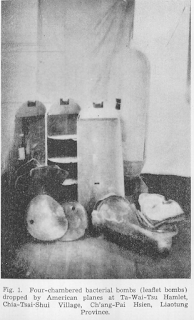

 Posts
Posts


